 HR
HR
 HR
HR


Miljenko Stančić Collection
The Miljenko Stančić collection consists of 19 oils on canvas and 8 graphics, created in the period from 1952 to 1977.
Painter and graphic artist Miljenko Stančić graduated in painting in 1949 and attended a special course in graphic art with Tomislav Krizman (1949–1951) at the Academy of Fine Arts in Zagreb, where he also taught (1961–1977). He is the founder of the poetic-surrealist movement in Croatian painting. From the very beginning, his painting developed as a distinctive and independent painterly vision. Using the techniques of the old masters, he painted with astonishing perfection and refined tonal nuances. Following the experiences of Josip Račić, he created a unique poetic synthesis of the old and the new, the nostalgic and the contemporary. A significant part of his oeuvre consists of vedute of his hometown Varaždin, mostly deserted streets and squares, the outlines of Baroque churches and roofs in the subdued twilight light.
From 1954 onwards, he painted phantasmagorical metamorphoses of human figures and compositions with metaphysically calm figures in wonderfully lit poetic interiors, in which from around 1958 onwards, a tendency towards a flat and decorative understanding of the surface prevailed. In the latter period, he created works in which he sought to achieve new chromatic values by decomposing the painted surface. The changes he gradually introduced into painting after 1970 primarily marked the enrichment of motifs with erotic content, harmonious organic forms from which the fullness of vital energy emanated. He drew illustrations for newspapers and magazines, produced wall paintings, graphics and scenography.
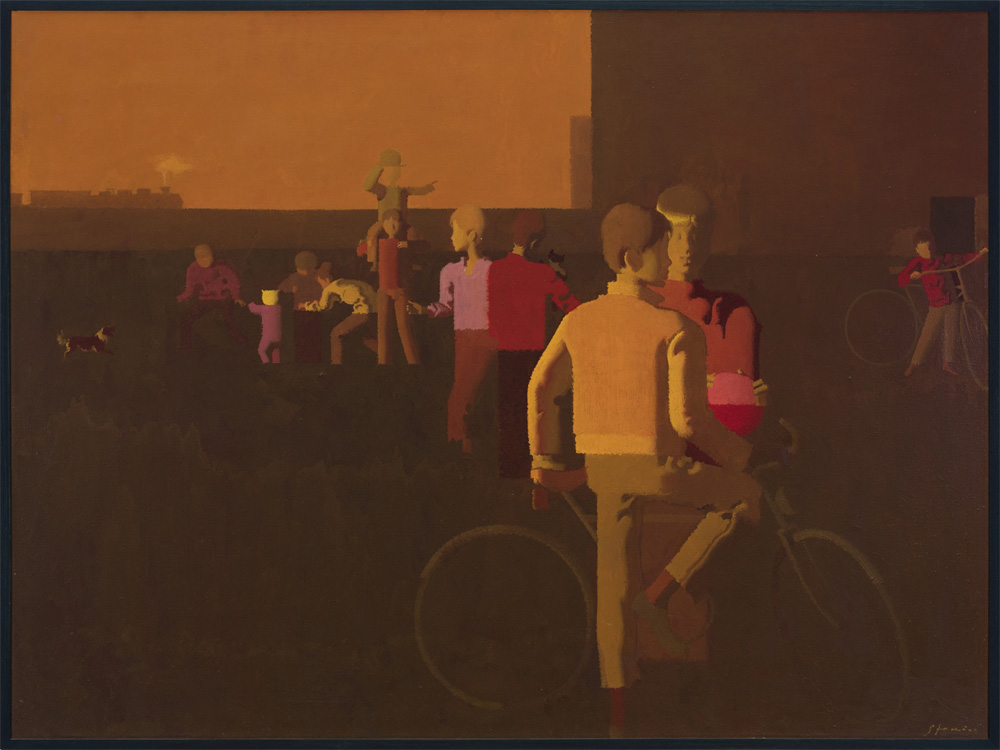
99x132 cm
Children's Games, 1963
Oil on canvas
In Stančić's extremely numerous painting oeuvre, children and children's games are very common themes. In a rectangular, horizontally arranged format, the painting depicts children's games and encounters in the urban landscape of his hometown of Varaždin.
The rhythm of the painting is led by the figures that line up without interruption, continuing one after the other, and the overall impression of this rhythm is enhanced by the coloristic play of similar tonal changes - burgundy-red, carmine-red, purple. In most of Stančić's paintings, darkness prevails, and diffuse stage light plays a game in a strong contrast of light and shadow, plays a game, where the characters are depicted within the scene of their lives.
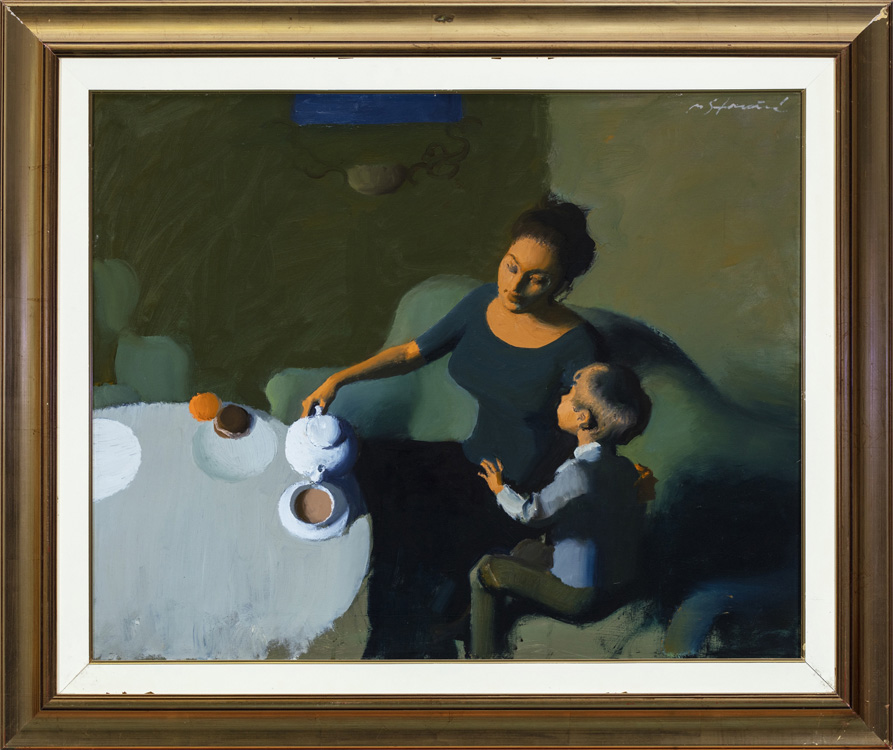
Mother and Child
oil on canvas
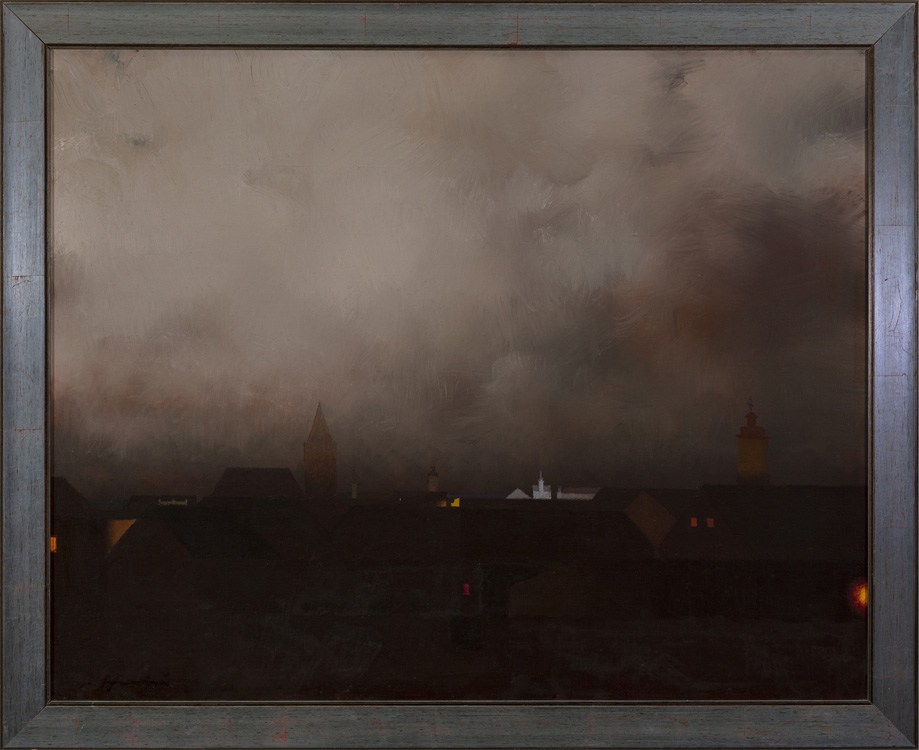
Panorama of Varaždin, 1962
oil on canvas
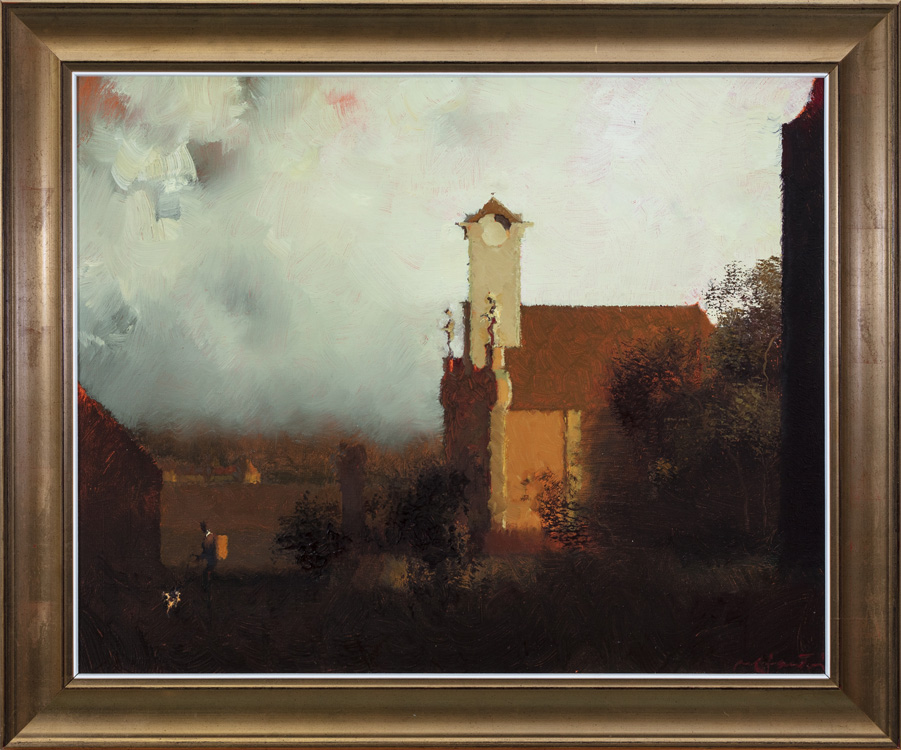
Saint Florian, 1952
oil on canvas
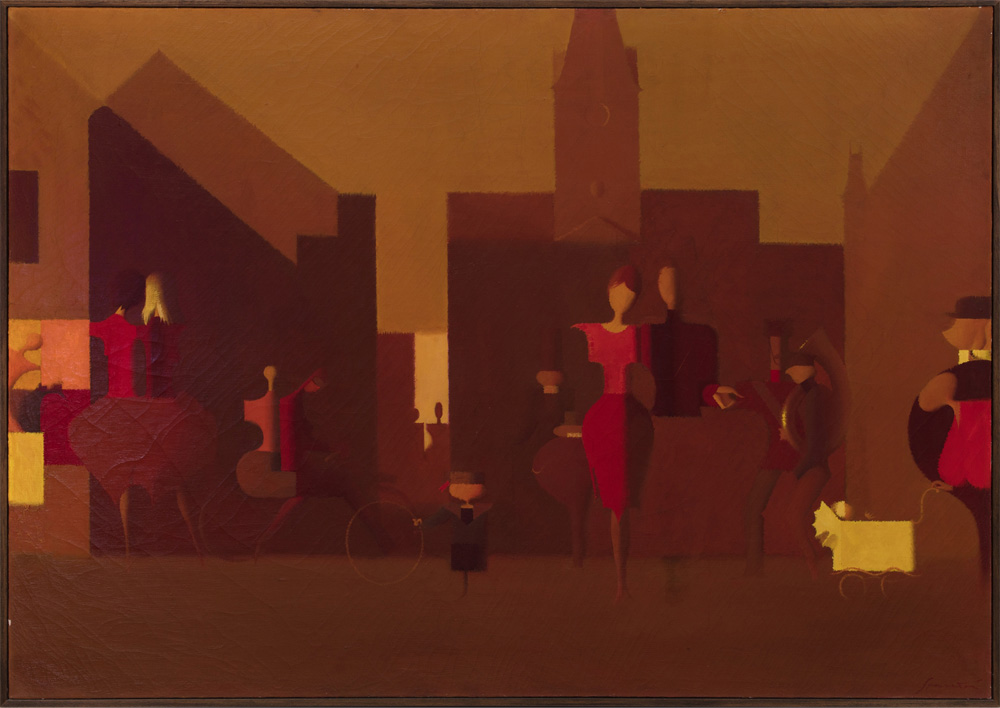
Promenade, 1960
oil on canvas
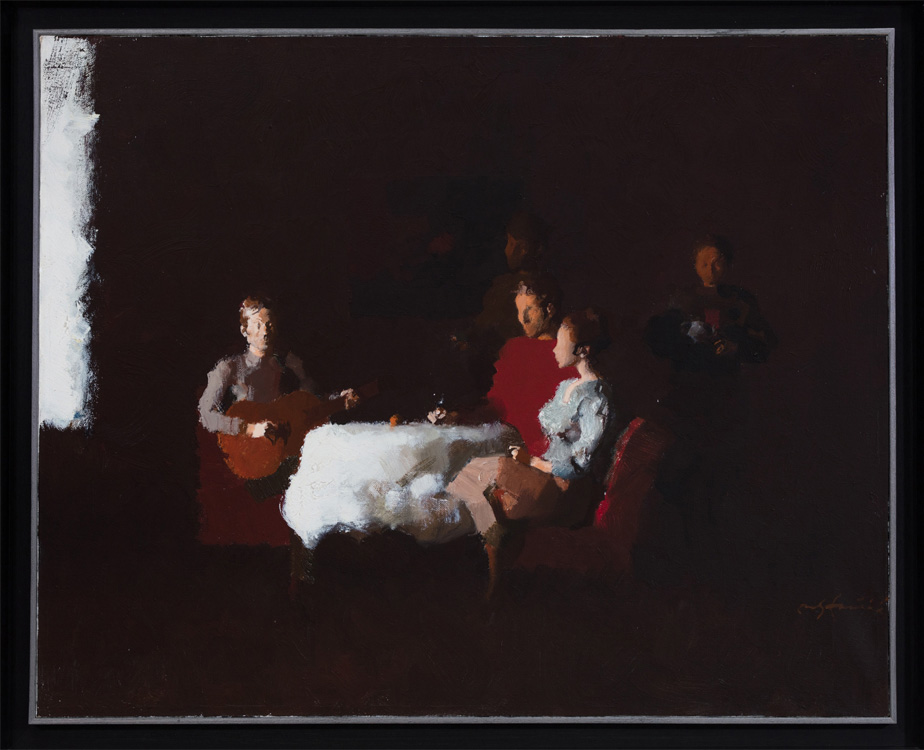
At the Table, 1960-1970
oil on canvas
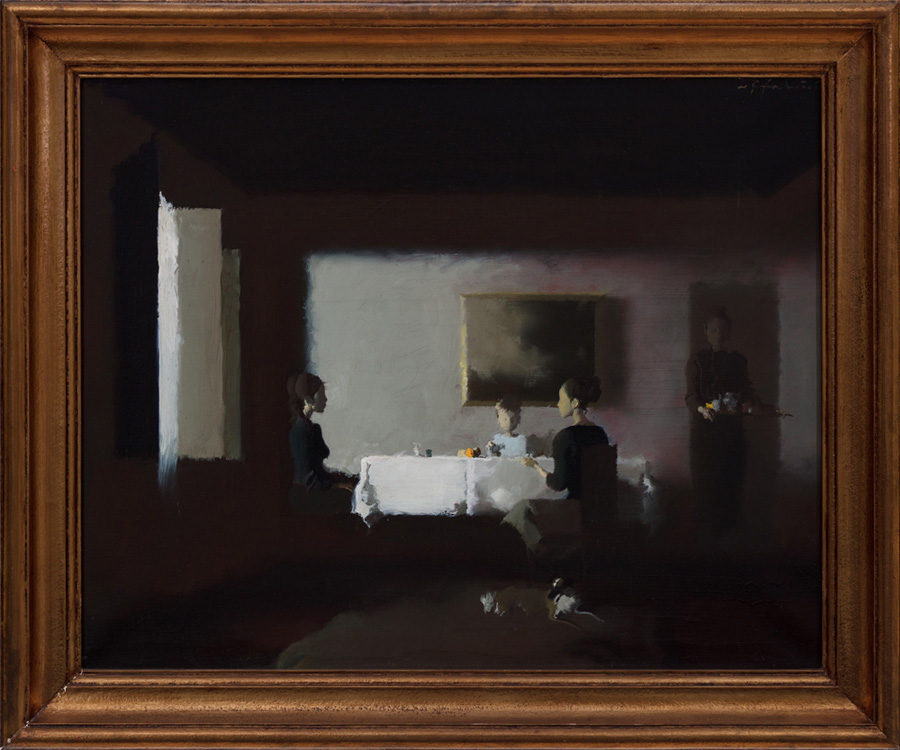
Interior
oil on canvas
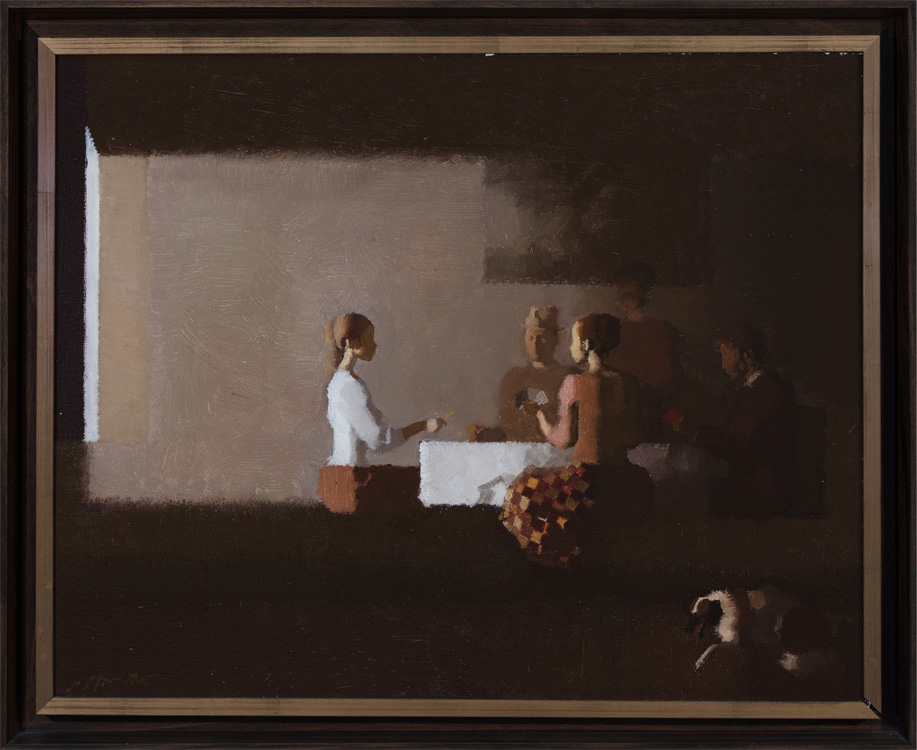
Card Players
oil on canvas
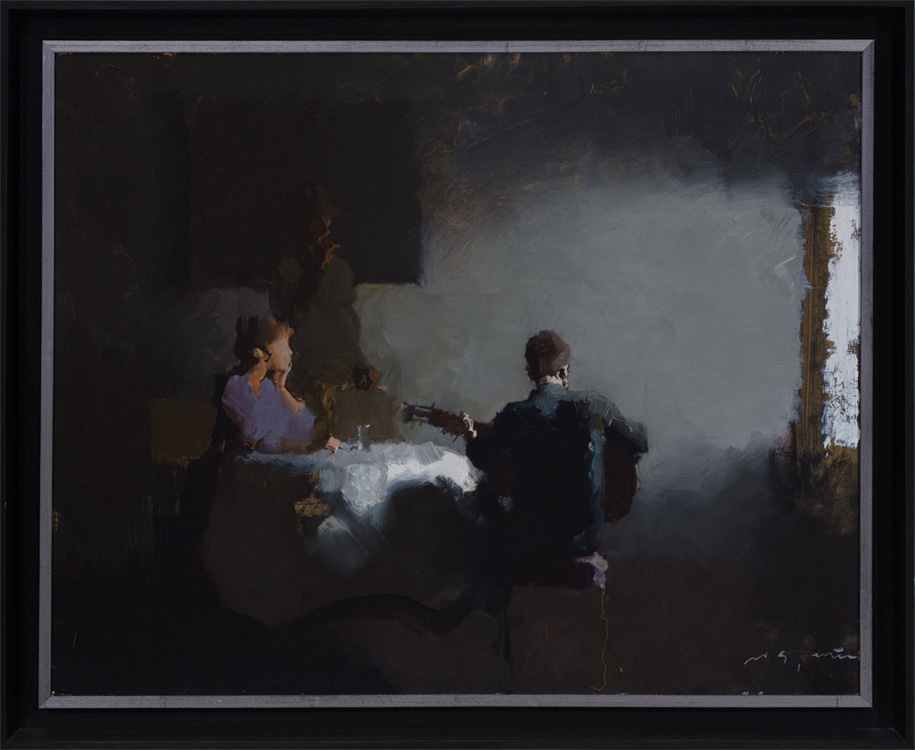
Interior with a Guitarist
oil on canvas
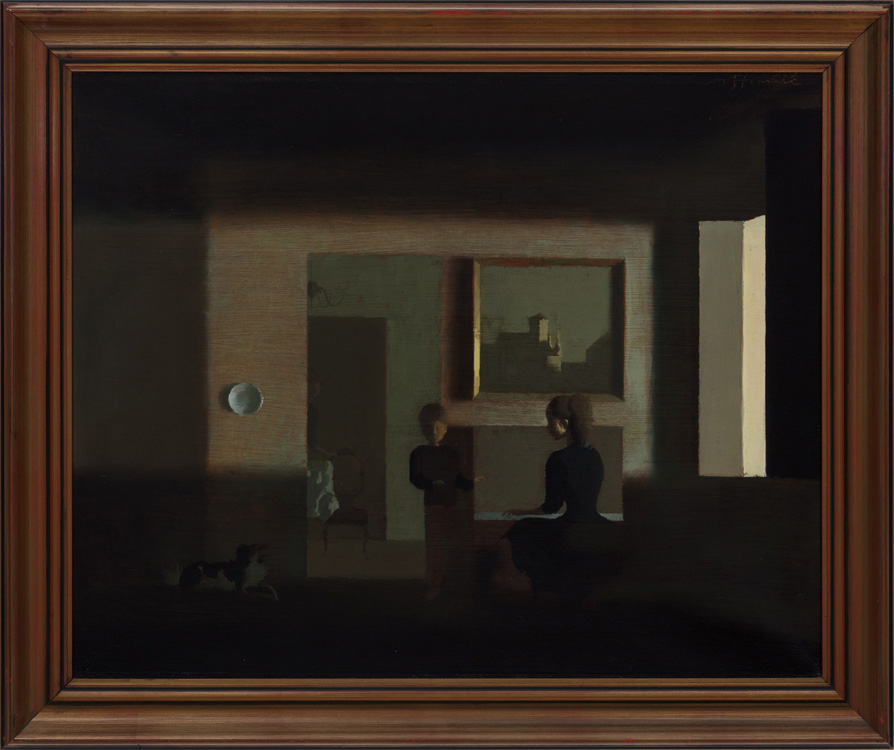
Family
oil on canvas
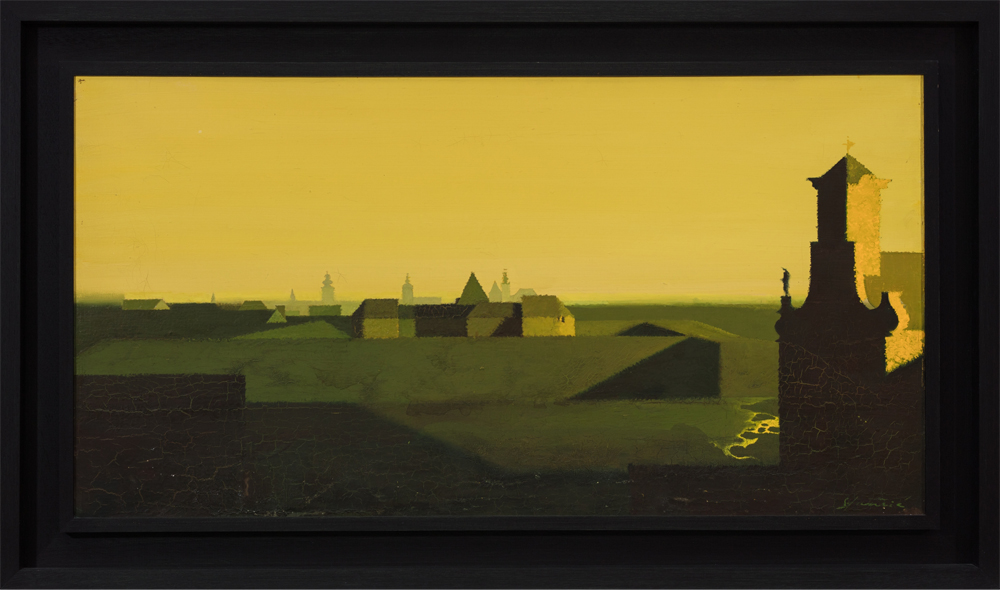
Old Town, 1961
oil on canvas
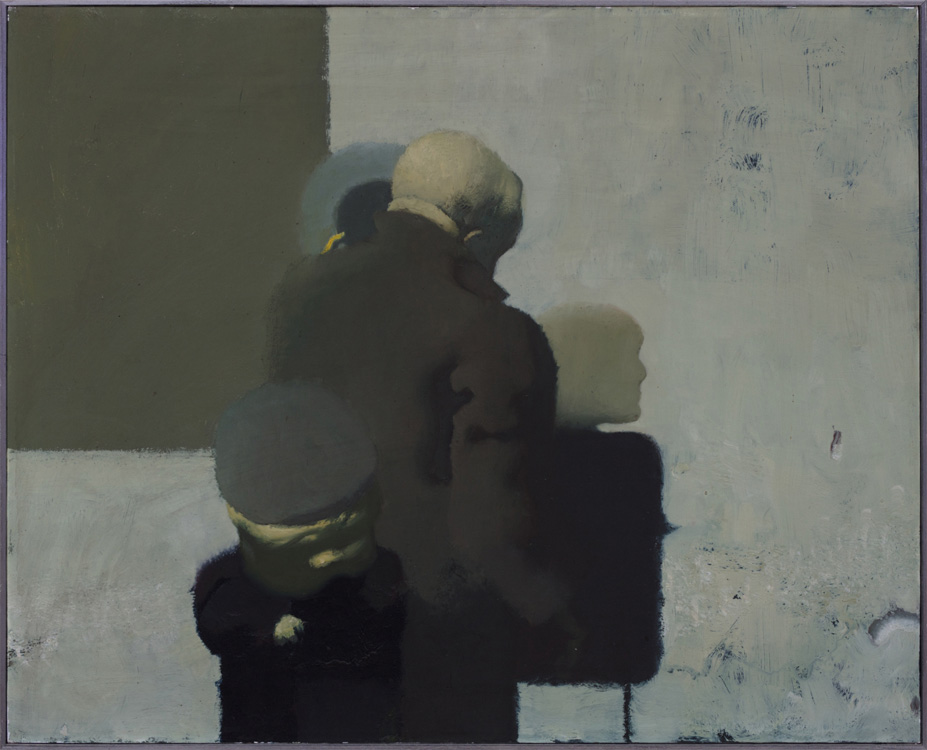
Street I, 1968
oil on canvas
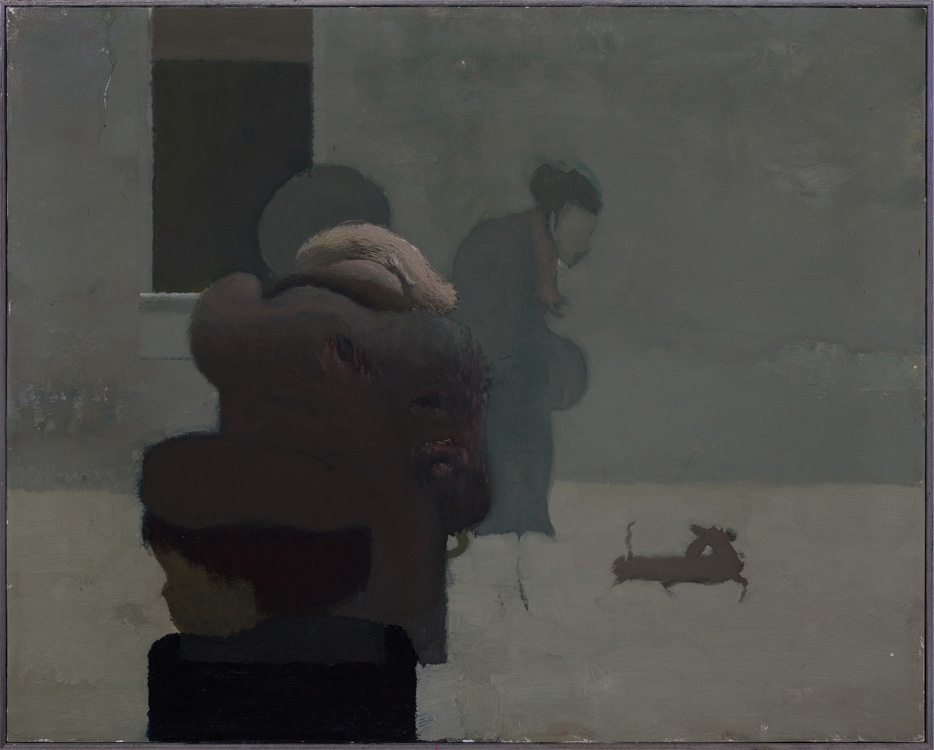
Street II, 1968
oil on canvas
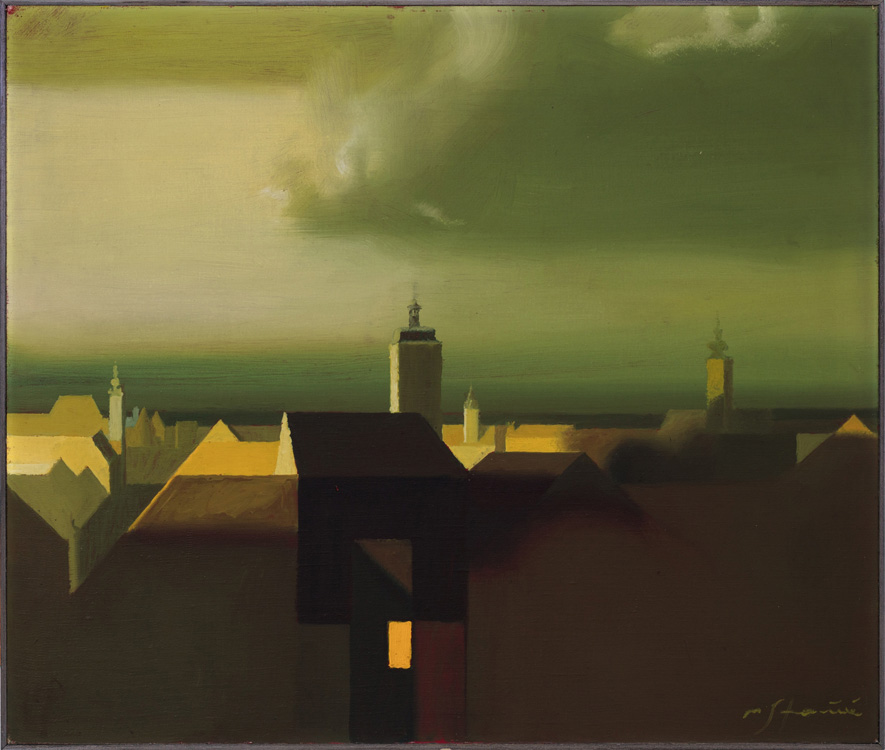
Varaždin, 1963
oil on canvas
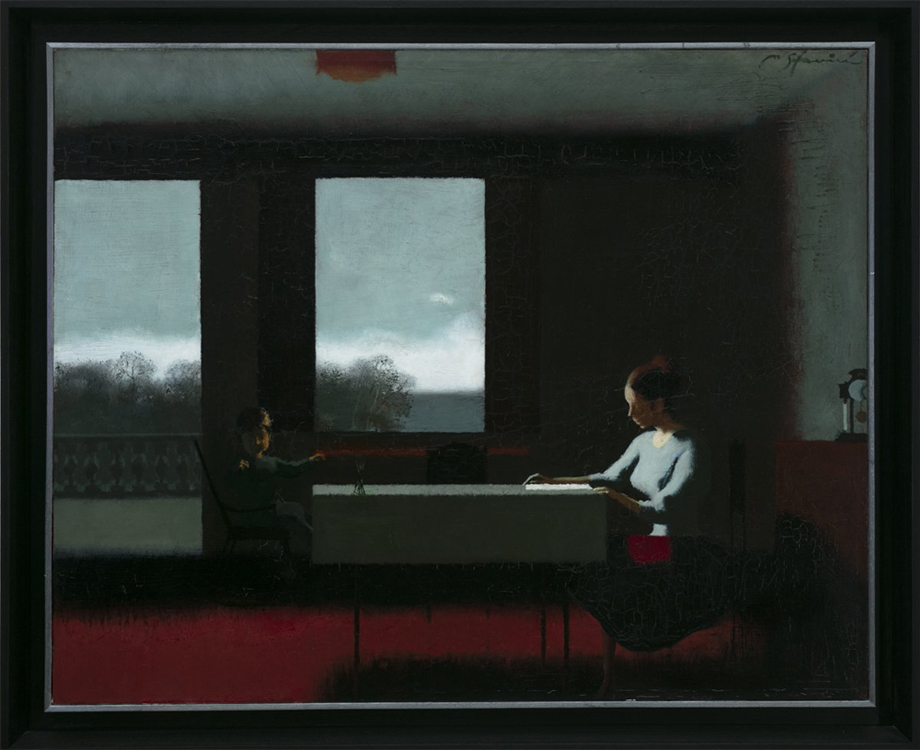
Mother and Child at the Table, 1965
oil on canvas
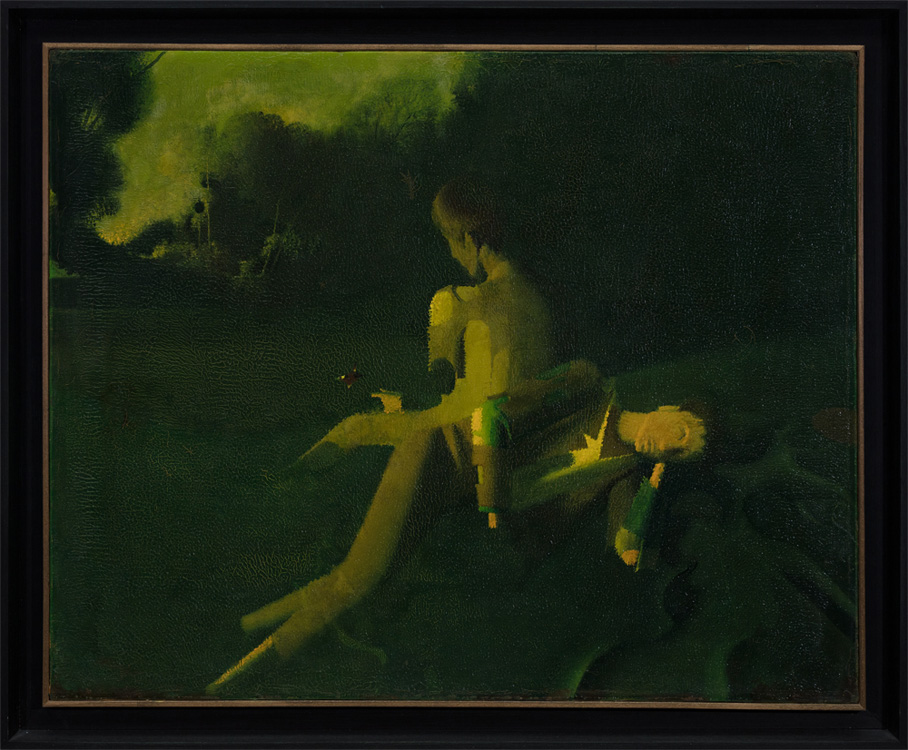
Atmosphere / vagrants, 1959
oil on canvas
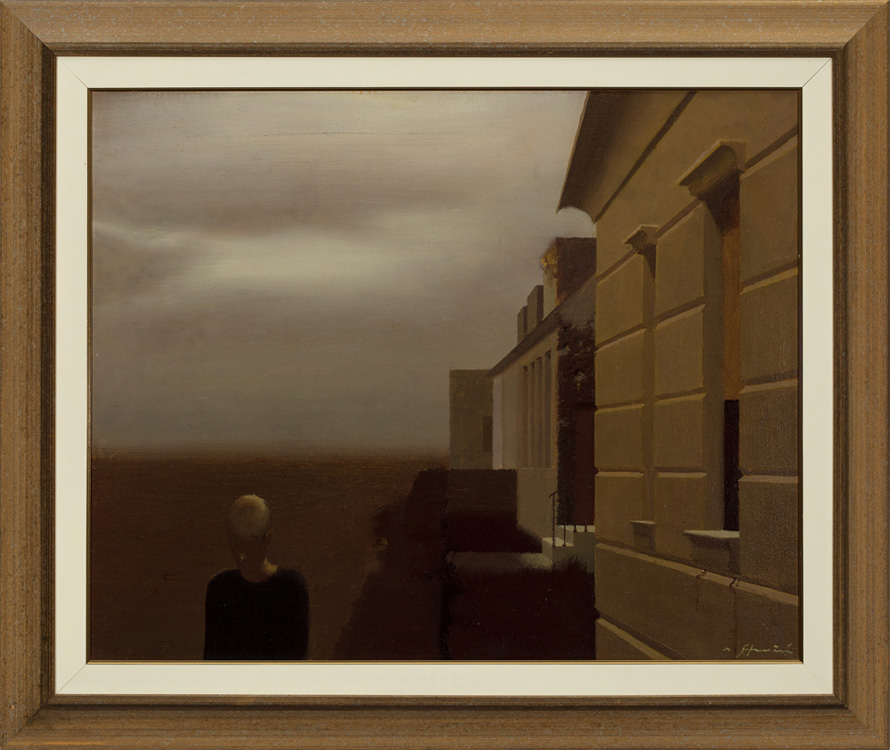
Deserted Street, 164
oil on canvas
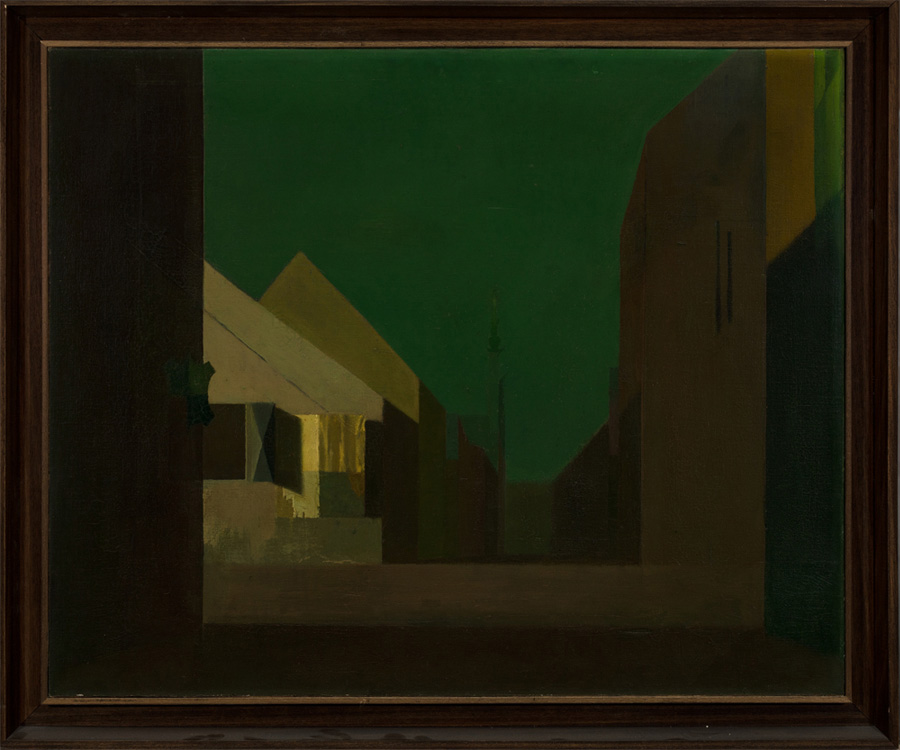
Old posters / Evening street, around 1956
oil on canvas
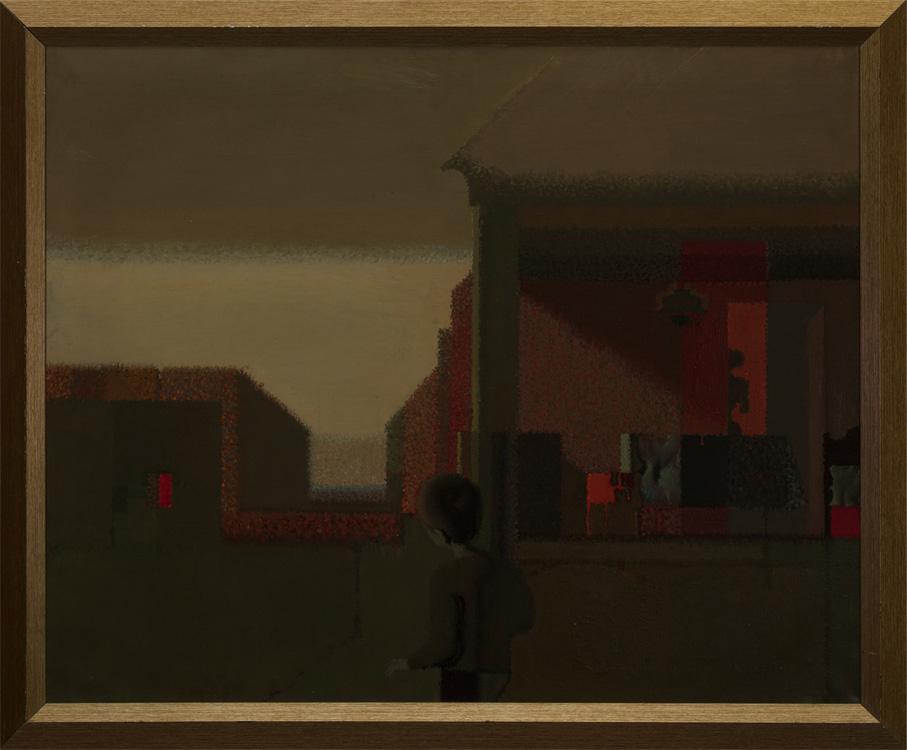
Street at Dusk, 1964
oil on canvas
99x132 cm
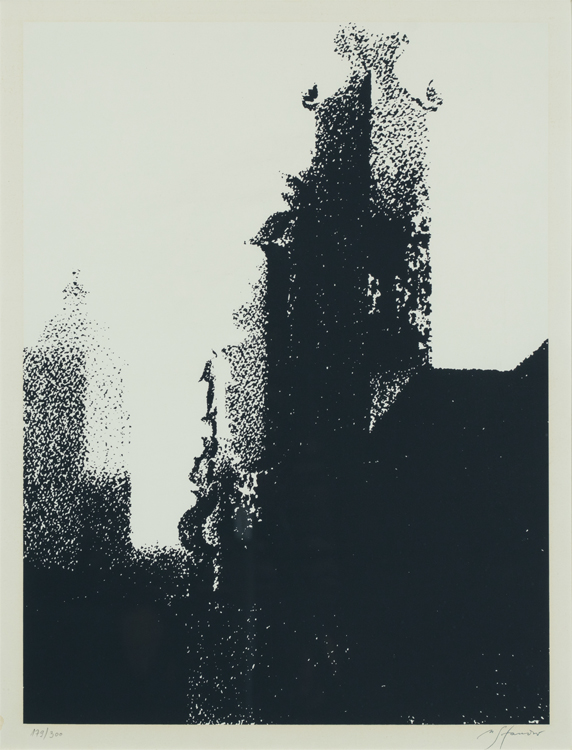
Towers, 1977
graphic art
Based on charcoal drawings on paper, a series of serigraphs is created. In the emphasized contrast of the vertical outlines of church towers and buildings and the complete whiteness of the background or the sky, Stančić, in the clash between abstraction and figuration and with the power of mature master graphic ability, brings an indisputable work of art.
Nostalgia, silence and transience are immediately read from Stančić's graphics, which is the basis for the reflection of all his works. The grainy morphology of the surfaces is retained in the graphics consistently as in the charcoal drawing. He harmonizes the sharply profiled outlines of the architecture with the geometric vision and construction of the composition, but he reveals the poetics of his hidden feelings towards Varaždin through several accents of curly portal profiles.
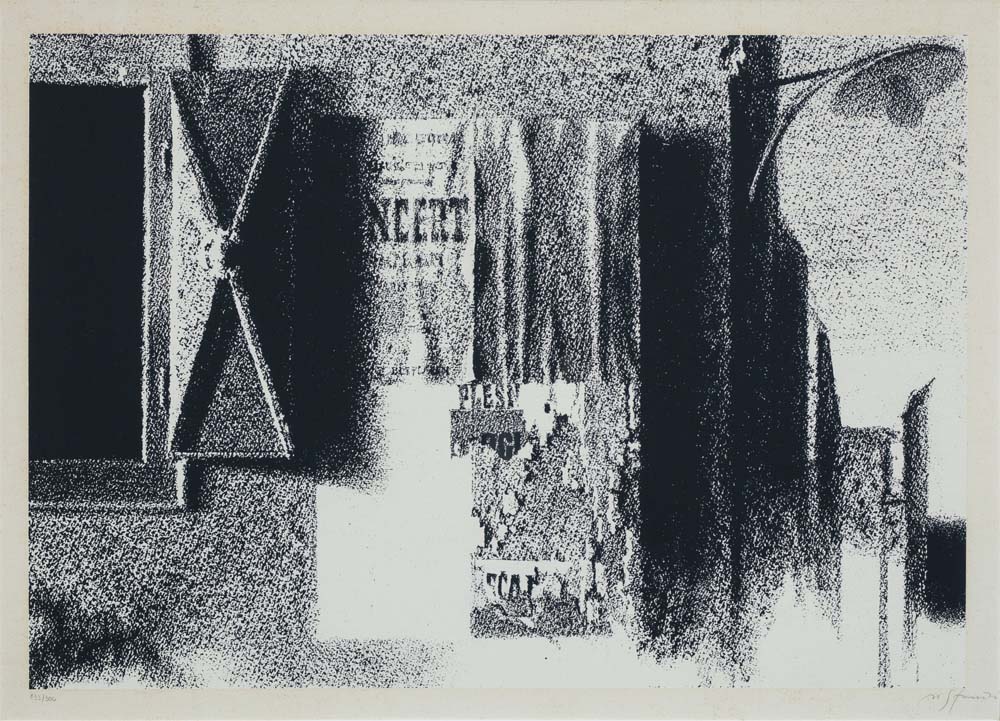
Old Posters, 1976
graphic
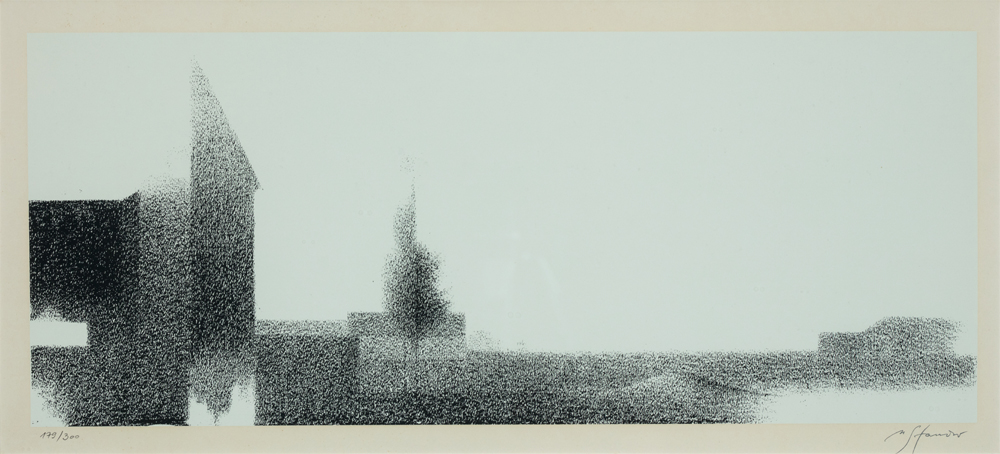
Mitnica, 1977
graphic
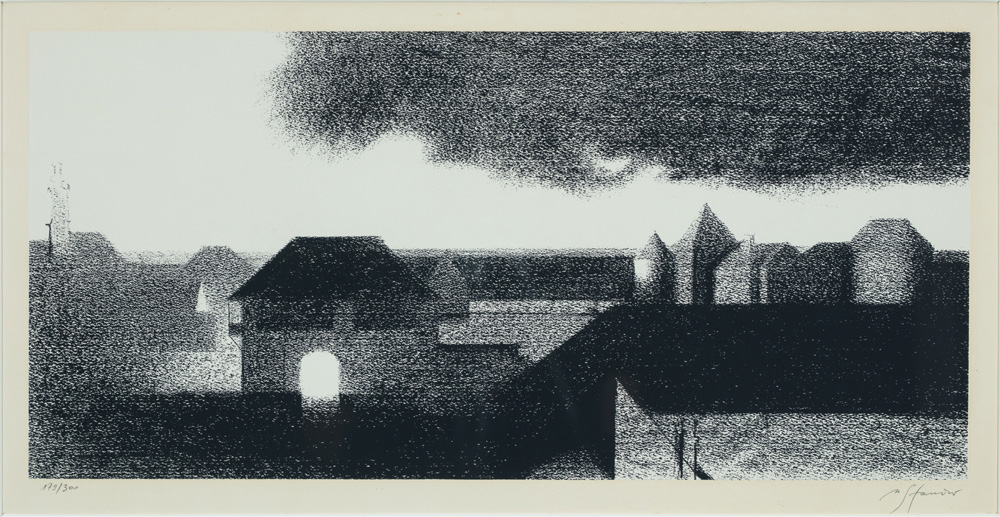
Old town, 1977
graphic
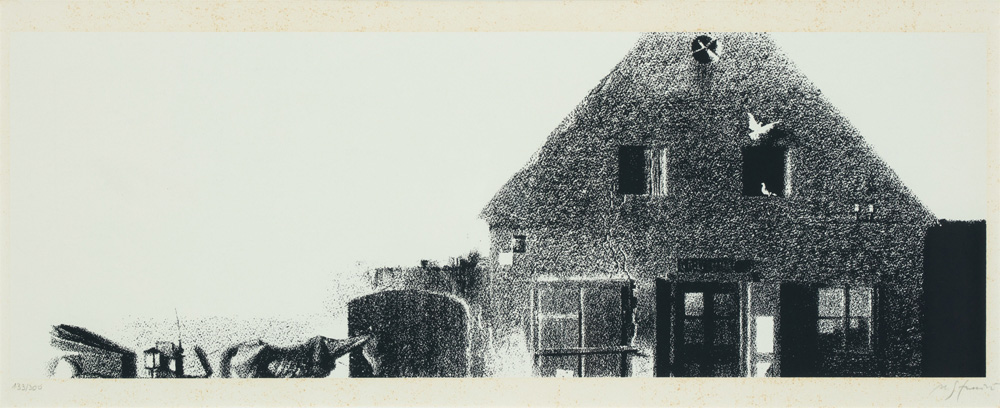
Old Tavern, 1976
graphic
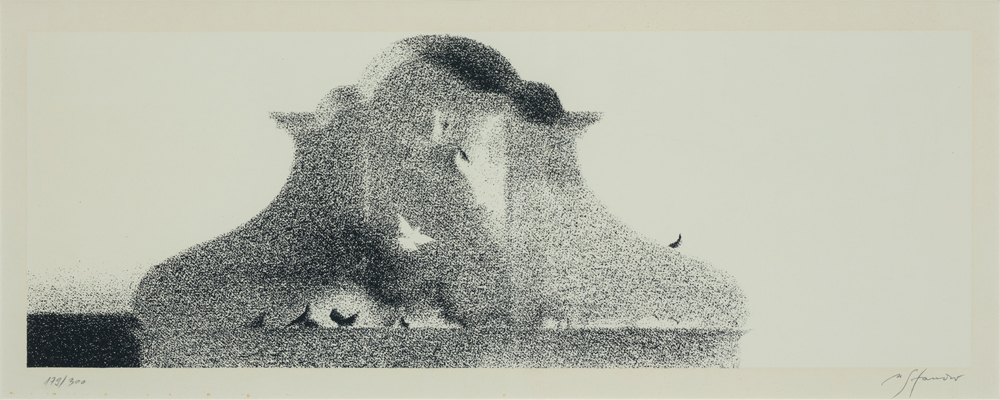
Gable with Pigeons, 1976
graphic
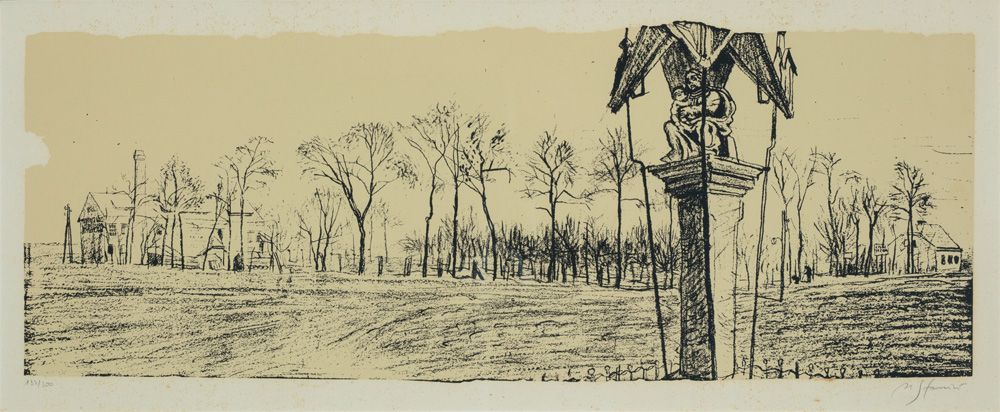
Saint Anne, 1976
graphic
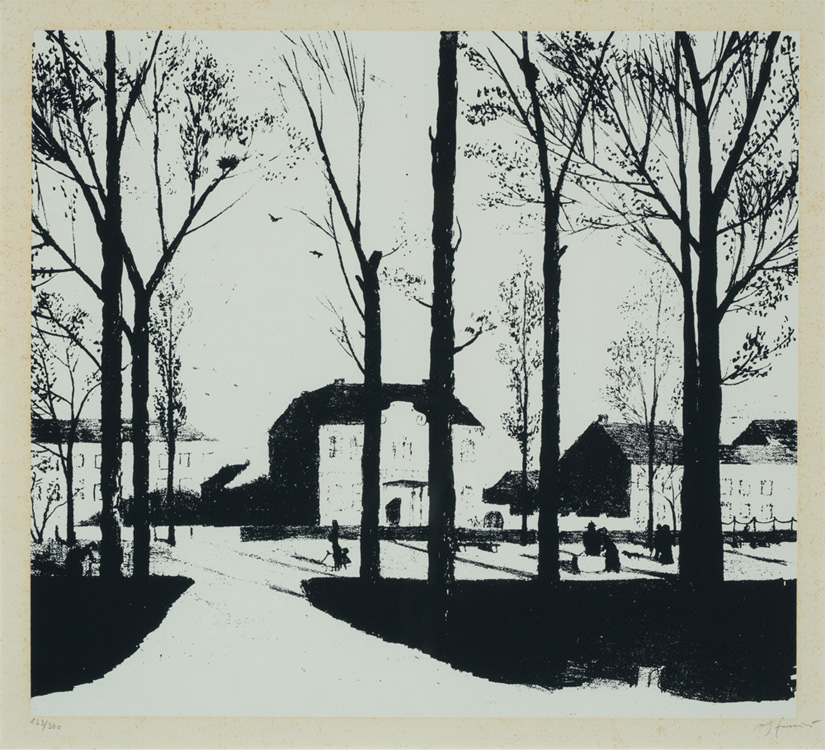
Promenade, 1976
graphic