 HR
HR
 HR
HR


Social media are flooded with fake online stores and scammers use AI to clone real brands in seconds
 In 2024 more than 6,000 fake online stores were detected, and their number is growing year by year.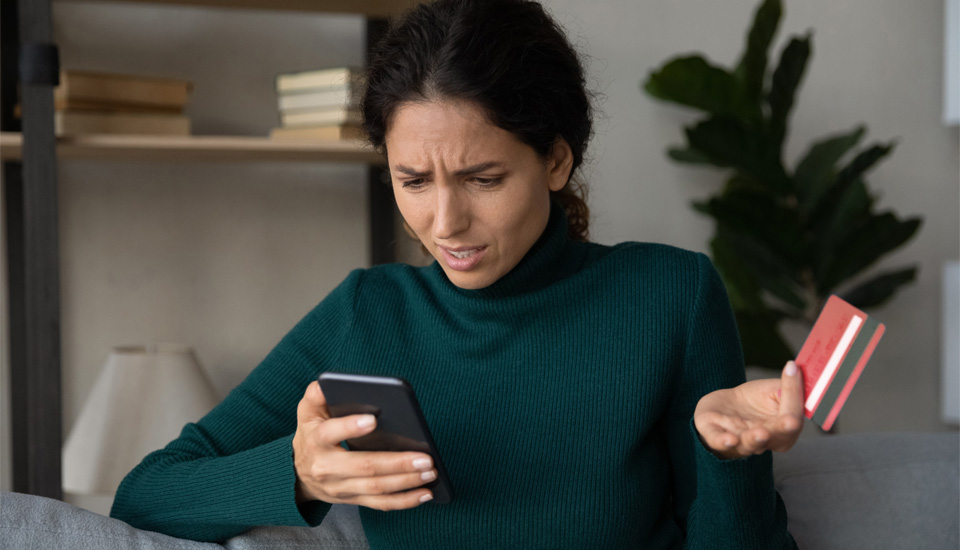
Last year, there was a Facebook post that a store was closing its doors because it could no longer compete with large fashion retailers. As the administrators behind the profile stated, the decision was not sad because they would have more time to spend with their families and to show appreciation for their supporters they decided to offer a 70 percent discount on their latest collection. The post also included photos of the alleged owners (AI-generated), as well as a few photos of clothes and footwear with a store access link for “incredible” discount purchases.
It was a fake online store designed with a sole purpose of scamming consumers and stealing their money and personal data. This particular site was eventually deleted, but it remains unknown how many people were actually scammed before the fake store was removed.
Common brand cloning targets are fashion brands.
This is only one of many similar cases. National CERT (CARNET) in 2024 had a list of more than 6,000 fake online stores targeting users in Croatia. Unfortunately, this number has not decreased and the development of artificial intelligence created a surge in the number of fake stores. For example, in the first three quarters of 2025 German consumer protection agencies have recorded over 8,000 complaints regarding fake online stores. As a rule, these are fashion stores, i.e. internationally popular clothing and footwear brands, but also regional brands, which indicates that attackers optimize conversion efficiency and geographic reach, and not just brand prestige.
The modus operandi is almost always the same. "Stores" with unbelievably good prices pop up on social media platforms or in search engines. After one enters the card number the goods are never delivered, a worthless replacement arrives or the page disappears. Fake "official" applications or pages related to current topics (e.g. visas, vignettes, etc.) are also quite common.
The development of generative artificial intelligence makes fake online stores more than just "bad copies" - they have become high-tech deception machines. Scammers are now able clone real stores in seconds, as the production process has become available to the masses and accessible to literally anyone. These traps have become almost impossible to detect with the naked eye, because they use deepfake video ads of celebrities and thousands of AI-generated reviews perfectly mimicking real customer behavior.
Fraud prevention tips
That is why when you see "unbelievable" discounts it is important to pay attention to every possible detail. The following indicators can be helpful:
- they often have additions such as “Croatia”, “outlet”, “discount”, “promotion” etc. next to the brand name
(e.g. brend-hrvatska.com, brend-outlet-hrvatska.com, brend-akcija.com…) - sections of the page are in different languages
- each word of the text that appears starts with a capital letter
- there are grammatical errors
- there is no information about the company or its contact number
- payment by cash on delivery is not an option
- contact is only available by email
- the user cannot shop as a guest and registration is required, and
- everything is on discount or prices are unusually low.
Therefore, always check reviews and brand contacts on official channels and remember: if the price is too good to be true, it is probably a scam. Learn more about all types of financial scams and how to protect yourself on the ZABA Beware of scams page.